Stadtmarken in the Heart of Aachen
A Gem in the City Center Is Being Revitalized
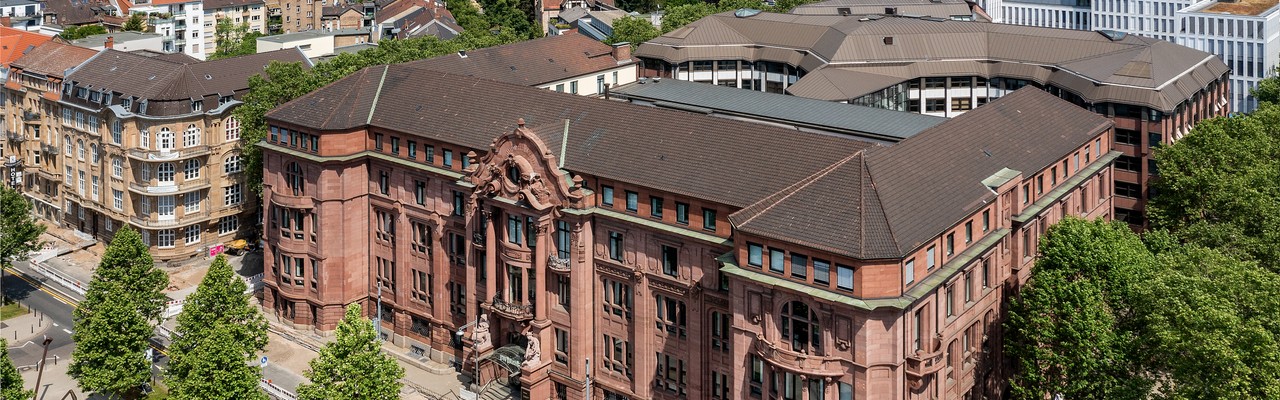
The Stadtpalais am Theater is a two-part building complex. The front section, also known as the Bankhaus Suermondt, was built in 1900 and has served as the headquarters for various companies ever since. The monumental, Neo-Baroque building, which is partially listed as a historic landmark, features two entrances with round arches, a stately foyer, and spacious, functional office and meeting rooms with high-end furnishings and Rococo chandeliers hanging from ceilings up to four meters high. The rear section, comprising five stories, dates from the period between 1960 and 1970 and was primarily used as an administrative building.
While the newer section has been in almost continuous use, the front section has stood vacant for nearly 13 years. It’s time to revitalize this beautiful building and put it to good use—a task we’re happy to take on!
What the Stadtpalais am Theater Offers
Above all, the Stadtpalais offers great flexibility. The available spaces are suitable for office use, as well as for conference and seminar rooms, administration, and teaching. The usage concept is therefore tailored entirely to our tenants.
Moreover, the location couldn’t be more central: Overlooking the theater and situated right next to the Elisenbrunnen, the Stadtpalais is not only in the heart of downtown but also perfectly connected to public transportation. A bus stop with connections in all directions is directly across the street, and the main train station is only about 500 meters away. The Stadtpalais is thus easily accessible both from within the city and from outside.
Henger Herrjotts Fott
Not only the building itself, but also its location is closely tied to Aachen’s history. The historic building faces Theaterstraße, but the newer extensions run along Borngasse and Wirichsbongardstraße—with a direct view of Henger Herrjotts Fott (“Behind God’s Backside”). Where a bronze sculpture of a crucifixion scene stands today, a mission cross had already stood in the 18th century. This spot also roughly marked the boundary between the city’s affluent and more modest neighborhoods. The front of the cross faced the city center and the upscale district, while the back faced the neighborhoods behind it—which is why they earned the nickname “Henger Herrjotts Fott,” the name now officially used as the address of the sculpture’s location.